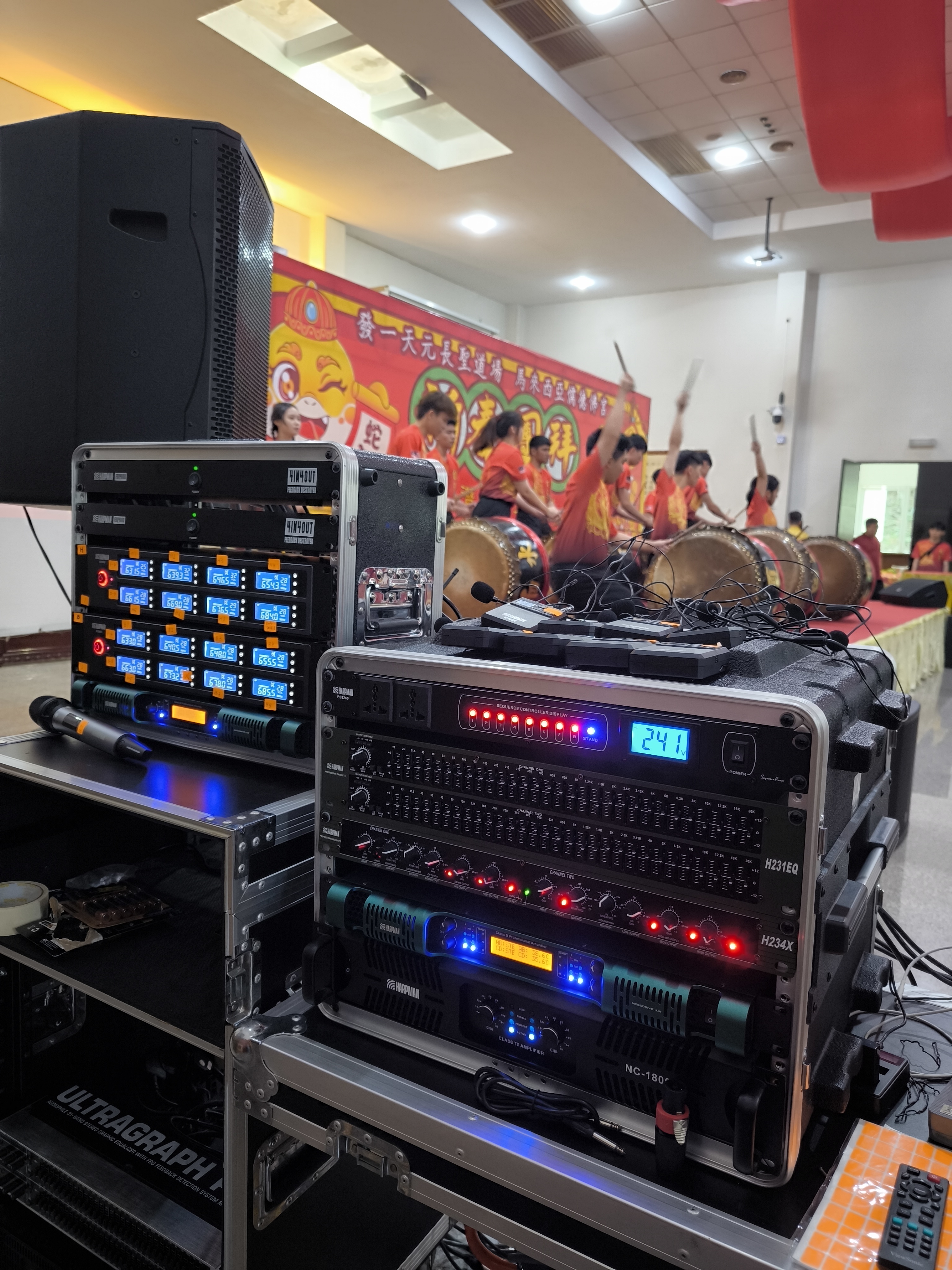

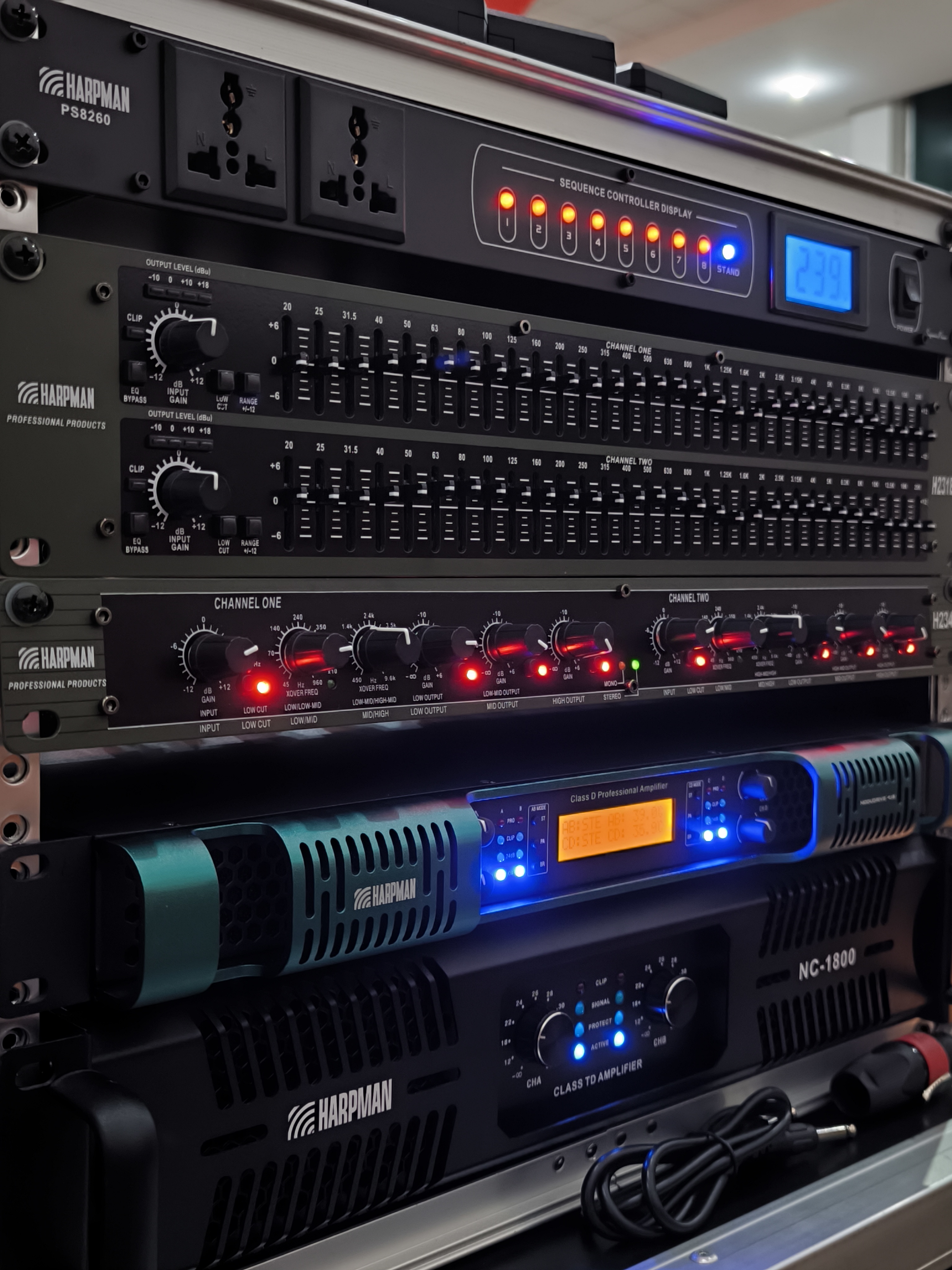
“How to choose a professional sound system” Well, this can be confusing. There are many types of speakers, amplifiers, mixers and microphones, and the wrong combination can lead to poor sound, wasted money and equipment that does not last.
The good news is that we are here with the “7 Questions to ask first before you choose a professipnal sound system” you can avoid most problems by answering seven simple questions before you talk to a supplier. These questions will help you, and your supplier, design a system that actually fits your venue.
1. What will you use it for?
Start with the purpose before choosing a sound system, because it decides almost everything else.
- Speech only (announcements, sermons, lectures, meetings): Prioritise clarity and even coverage. Speech does not need huge power, but it needs to be easy to understand.
- Background music (cafes, shops, hotels): Many smaller speakers at low volume usually sound better than a few large speakers turned up loud.
- Live music or performance: Needs more power, better low-frequency response, and monitoring for performers.
- Karaoke: Needs a good balance between vocals and music, and controls for echo and effects.
- A mix of the above: Tell your supplier all the uses, because a system designed for speech only may not handle music well.
2. How big is the space, and what is it like?
How to choose a professional sound system for your venue? The size and shape of the room affect how many speakers you need and where they should go. Think about:
- Floor area and ceiling height
- How many people will be there at once
- Indoor or outdoor
- Hard surfaces (tiles, glass, concrete) that create echo, versus soft surfaces (carpet, curtains, acoustic panels) that absorb sound
- Whether the layout is open, has pillars or is divided into sections
Sound gets quieter as you move away from the speaker. In an open space, every time you double the distance, the level drops by about 6 dB. This is why one large speaker at the front can be too loud for the front row and too quiet at the back.
3. How loud does it need to be?
More people and more noise mean you need more volume. A quiet meeting room and a busy restaurant with air-conditioning, kitchen noise and conversation have very different requirements. As a general guideline, aim for sound that is clearly audible over the background noise without being uncomfortable.
How to choose a “Professional” and “Suitable” sound system? Now you should know “Bigger” is not always better. A system that is too powerful for the room can sound harsh and cause echo, while one that is too small will distort when pushed.
4. What will you connect to it?
List every source that will be connected:
- How many microphones? Wired, wireless, or both?
- Laptop, phone or media player?
- Musical instruments or a live band?
- Video conferencing equipment?
This decides which mixer you need, and how many inputs it should have. Always plan for a few spare inputs for future needs.
5. Fixed installation or portable?
- Fixed installation: Speakers are mounted on the wall or ceiling and equipment is kept in a rack. Best for restaurants, halls, schools and places of worship.
- Portable: Easy to carry and set up. Best for events, roadshows and mobile use. Active (powered) speakers are popular here.
If you plan to do both, discuss this with your supplier. A hybrid setup is possible.
6. Who will operate it?
A system that is too complicated for its users will not be used properly. Ask yourself:
- Will a trained technician run it, or will staff with no audio experience?
- Do you need simple presets and locked controls, so settings cannot be changed by accident?
- Is training or a handover session included?
For everyday users, simple controls, clear labelling and a well-organised rack matter as much as sound quality.
7. What is your budget, and what about the future?
Be honest about your budget, and also think about growth. Choosing a sound system is not about only today or tomorrow, it’s about future. Here’s a few tips:
- Buy a matched system, not random parts. Speakers, amplifiers and processors should be chosen to work together.
- Plan for expansion. Leave spare amplifier capacity and mixer channels.
- Do not forget the extras. Cables, connectors, stands, racks and installation are part of the total cost.
- Consider after-sales support. Warranty, repair service and spare parts matter over the years.
- Ask for a demo or recommendation based on your venue, not just a product list.
Quick checklist to bring to your supplier
[ ] Venue type and size (length, width, ceiling height)
[ ] Number of people
[ ] Main uses (speech, music, karaoke, live band)
[ ] Number and type of microphones and other inputs
[ ] Fixed or portable
[ ] Who will operate the system
[ ] Budget range and plans for expansion
[ ] Photos of the space (if you have them)
Frequently asked questions
Should I buy everything from one supplier?
It is often easier, because the supplier can match the speakers, amplifiers and processors, and you have one point of contact for warranty and support.
Do I need an audio processor?
For simple systems, not always. For larger venues, multiple speakers or problem acoustics, a processor helps control feedback, protect speakers and improve clarity.
Is more wattage always better?
No. What matters is having enough clean power for the space, matched to your speakers. Too little power leads to distortion, but simply choosing the biggest system does not guarantee good sound.
Can I start small and upgrade later?
Yes, if you plan for it. Choose components that can grow, such as a mixer with spare channels and an amplifier with room for more speakers.
Not sure how to choose a professional sound system?
Send us your venue details and how you plan to use the system. The Harpman Malaysia team will suggest a suitable setup and give you a free quote.
WhatsApp us
Request a quote
Explore our product range
Related reading:
[What Is a PA System? A Beginner’s Guide]